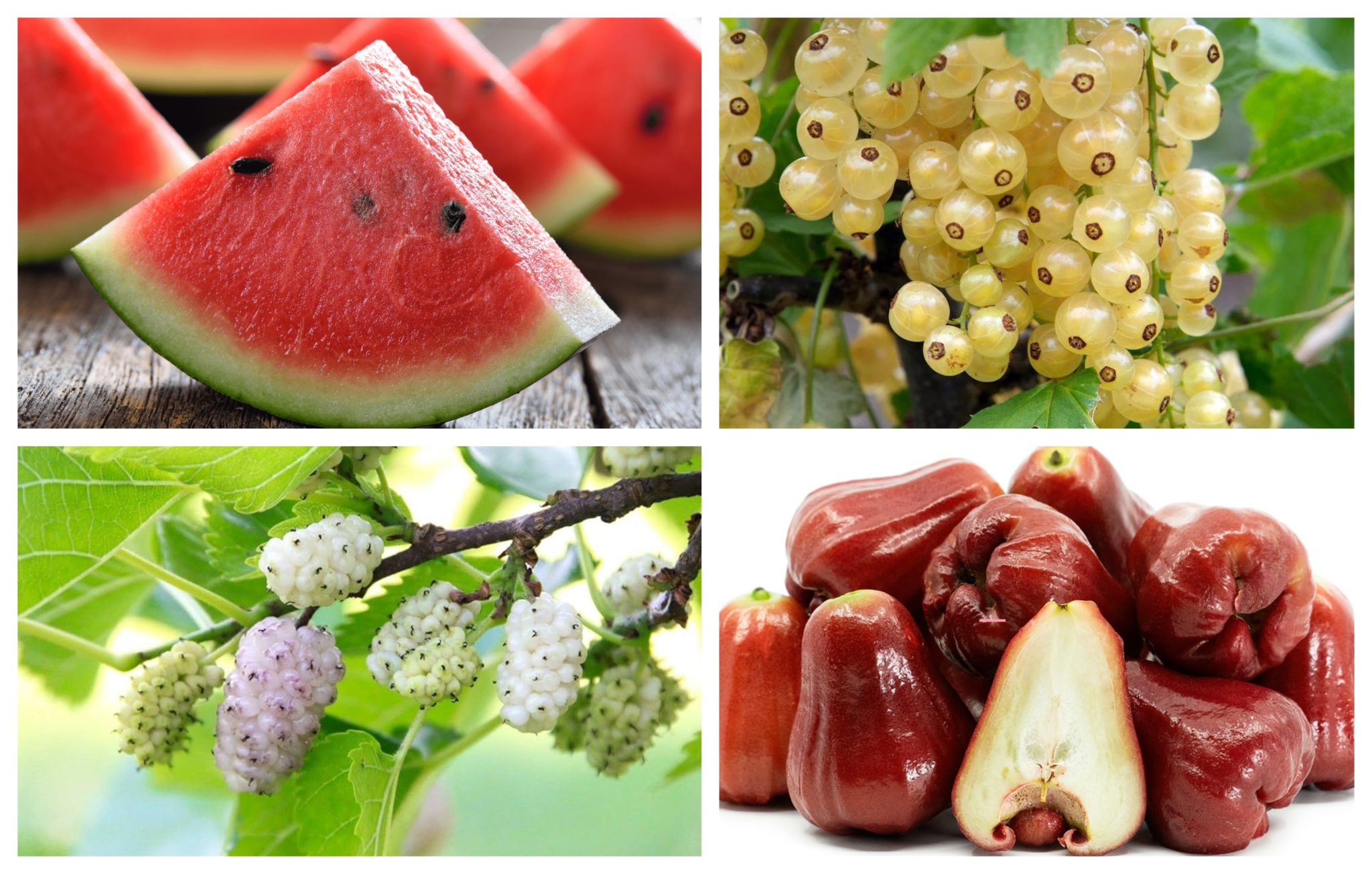
Watermelon & More: Health Benefits of W Fruits
When we think of fruits, often vibrant colors and familiar tastes come to mind. But have you ever stopped to consider the alphabet's contribution to your fruit bowl? Specifically, the letter 'W' brings forth a delightful array of options, many of which are packed with incredible health benefits. From the ubiquitous summer staple to exotic wonders, exploring fruits that start with W can significantly boost your nutritional intake. These often-overlooked gems offer a spectrum of vitamins, minerals, antioxidants, and fiber, contributing to everything from hydration and immunity to improved digestion and heart health.
In this comprehensive guide, we'll dive deep into the specific health advantages of these "W" wonders, starting with the most famous one and venturing into lesser-known but equally beneficial varieties. Get ready to discover how incorporating these delicious fruits can add a powerful punch to your daily diet.
Watermelon: The Quintessential W Fruit and Its Wellness Wonders
No discussion about fruits that start with W would be complete without highlighting the magnificent watermelon. This vibrant, juicy fruit is a summertime favorite for good reason, offering a refreshing burst of flavor alongside a wealth of health benefits.
- Exceptional Hydration: As its name suggests, watermelon is over 92% water. This makes it an excellent choice for staying hydrated, especially during hot weather or after exercise. Proper hydration is crucial for every bodily function, including nutrient transport, temperature regulation, and joint lubrication.
- Rich in Lycopene: The beautiful red hue of watermelon comes from lycopene, a powerful antioxidant. Lycopene is renowned for its potential to protect against various types of cancer, particularly prostate, breast, and lung cancers. It also plays a significant role in cardiovascular health, helping to lower blood pressure and reduce cholesterol levels.
- Vitamins and Minerals Galore: Watermelon is a good source of Vitamin C, a vital antioxidant that supports immune function and skin health. It also provides Vitamin A (in the form of beta-carotene), essential for vision and immune health, and a decent amount of potassium, which is crucial for blood pressure regulation and nerve function.
- Citrulline for Athletic Performance: This unique amino acid, found abundantly in watermelon, is converted into arginine in the body. Arginine is a precursor to nitric oxide, a compound that relaxes blood vessels, improving blood flow and potentially reducing muscle soreness after strenuous activity.
- Digestive Health: Although not exceptionally high in fiber, the combination of water and fiber in watermelon aids in healthy digestion, promoting regularity and preventing constipation.
Practical Tip: To pick a ripe watermelon, look for a dull, dark green skin with a creamy yellow spot on the underside. Give it a tap – a deep, hollow sound usually indicates ripeness!
Beyond Watermelon: Unveiling the Health Perks of Other W Fruits
While watermelon takes center stage, several other fascinating unique W fruits to explore offer distinct nutritional profiles and impressive health benefits. Expanding your palate to include these varieties can introduce new flavors and a broader spectrum of nutrients into your diet.
-
Wax Apple (Java Apple/Rose Apple):
This bell-shaped tropical fruit, often light green or pink, boasts a crisp, watery texture and a mildly sweet flavor. Wax apples are excellent for hydration, similar to watermelon. They are a good source of Vitamin C, supporting immune health and collagen production. Their fiber content also aids digestion and contributes to feelings of fullness, making them a great snack for weight management.
-
White Sapote (Casimiroa edulis):
Native to Central America, the white sapote has a creamy, custard-like flesh with a flavor often compared to a blend of peach, banana, and pear. Nutritionally, it's rich in Vitamin C, B-complex vitamins (especially B3 and B6), and dietary fiber. The presence of potassium contributes to heart health and blood pressure regulation, while its unique compounds have been traditionally used for their calming properties, potentially aiding sleep.
-
Wolfberry (Goji Berry):
Often encountered in dried form, wolfberries are small, red berries with a slightly sweet and tart taste. Considered a superfood, they are packed with antioxidants, particularly zeaxanthin, which is crucial for eye health and may help prevent age-related macular degeneration. Wolfberries are also a good source of Vitamin A, Vitamin C, iron, and fiber, contributing to immune support, energy levels, and digestive wellness.
-
Water Chestnut (Trapa natans / Eleocharis dulcis):
Though often used like a vegetable in stir-fries, water chestnuts are botanically a fruit, specifically an aquatic corm. They are remarkably low in calories and high in fiber, making them excellent for satiety and digestive health. Water chestnuts provide essential minerals like potassium, manganese, and copper, which are vital for bone health, metabolic processes, and blood pressure regulation. Their crisp texture adds a satisfying crunch to many dishes.
The Nutritional Powerhouse: Why Incorporate W Fruits into Your Diet
The array of fruits that start with W collectively presents a compelling argument for their regular inclusion in your diet. Beyond their individual merits, they share several overarching benefits that contribute significantly to overall health and well-being. For a deeper dive into the specific characteristics and culinary uses of these varieties, you might want to discover wonderful W fruits: a delicious guide.
- Hydration Heroes: Many W fruits, most notably watermelon and wax apples, boast extremely high water content. This natural hydration helps maintain bodily fluid balance, supports kidney function, lubricates joints, and contributes to healthy skin.
- Antioxidant Powerhouses: From lycopene in watermelon and zeaxanthin in wolfberries to Vitamin C in almost all of them, these fruits are loaded with antioxidants. These compounds combat free radicals in the body, reducing oxidative stress and inflammation, which are root causes of many chronic diseases, including heart disease and certain cancers.
- Fiber for Gut Health: Dietary fiber is a critical component of a healthy diet, and most W fruits provide a good source. Fiber aids digestion, prevents constipation, and feeds beneficial gut bacteria, contributing to a robust microbiome. A healthy gut is linked to improved immunity, mood, and overall vitality.
- Immune System Boosters: Rich in Vitamin C and other phytonutrients, W fruits strengthen the immune system, helping your body defend against infections and illnesses. Regular consumption can lead to fewer sick days and faster recovery times.
- Weight Management Allies: High water and fiber content, combined with relatively low calorie counts, make W fruits excellent choices for weight management. They promote feelings of fullness without contributing excessive calories, making them perfect for healthy snacking.
- Heart Health Guardians: Potassium, a common mineral in W fruits, is vital for maintaining healthy blood pressure levels. Coupled with antioxidants that reduce cholesterol and improve blood vessel function, these fruits are beneficial for long-term cardiovascular health.
Practical Tips for Enjoying Your W Fruits
Integrating these delicious and nutritious fruits that start with W into your daily routine is easier than you might think. Here are some practical tips to help you enjoy their diverse flavors and health benefits:
- Fresh and Simple: The easiest way to enjoy most W fruits is fresh. Slice up watermelon for a refreshing snack, peel and eat wax apples, or add fresh white sapote to a fruit salad.
- Smoothies and Juices: Blend watermelon into a hydrating smoothie with a hint of mint or lime. Dried wolfberries can be rehydrated and added to any smoothie for an antioxidant boost.
- Salads, Both Sweet and Savory: Watermelon pairs wonderfully with feta cheese, mint, and balsamic glaze in a savory salad. Cubed wax apples can add a refreshing crunch to chicken or shrimp salads.
- Desserts and Frozen Treats: Puree watermelon for sorbets, popsicles, or a granita. White sapote's creamy texture makes it ideal for custards, mousses, or simply eaten chilled with a sprinkle of cinnamon.
- Cooking Applications: Don't forget water chestnuts! They are a fantastic addition to stir-fries, spring rolls, and other Asian-inspired dishes, providing a unique crisp texture that withstands cooking. Dried wolfberries can also be added to oatmeal, trail mix, or baked goods.
- Creative Garnishes: Use thin slices of wax apple or small wolfberries as vibrant and edible garnishes for cocktails, mocktails, or dessert plates.
Experiment with different combinations and preparation methods to discover your favorite ways to incorporate these wonderful W fruits into your diet. Their versatility means there's almost always a place for them at any meal or snack time.
Conclusion
From the iconic watermelon to the exotic white sapote and the potent wolfberry, the world of fruits that start with W offers a truly impressive array of health benefits. These fruits are not just delicious; they are powerhouses of hydration, antioxidants, essential vitamins, and dietary fiber, all contributing to a stronger immune system, better digestion, improved heart health, and overall vitality. By consciously choosing to include more of these "W" wonders in your diet, you're taking a simple yet significant step towards a healthier, more vibrant you. So, go ahead, explore, taste, and enjoy the wonderful wellness that W fruits have to offer!
