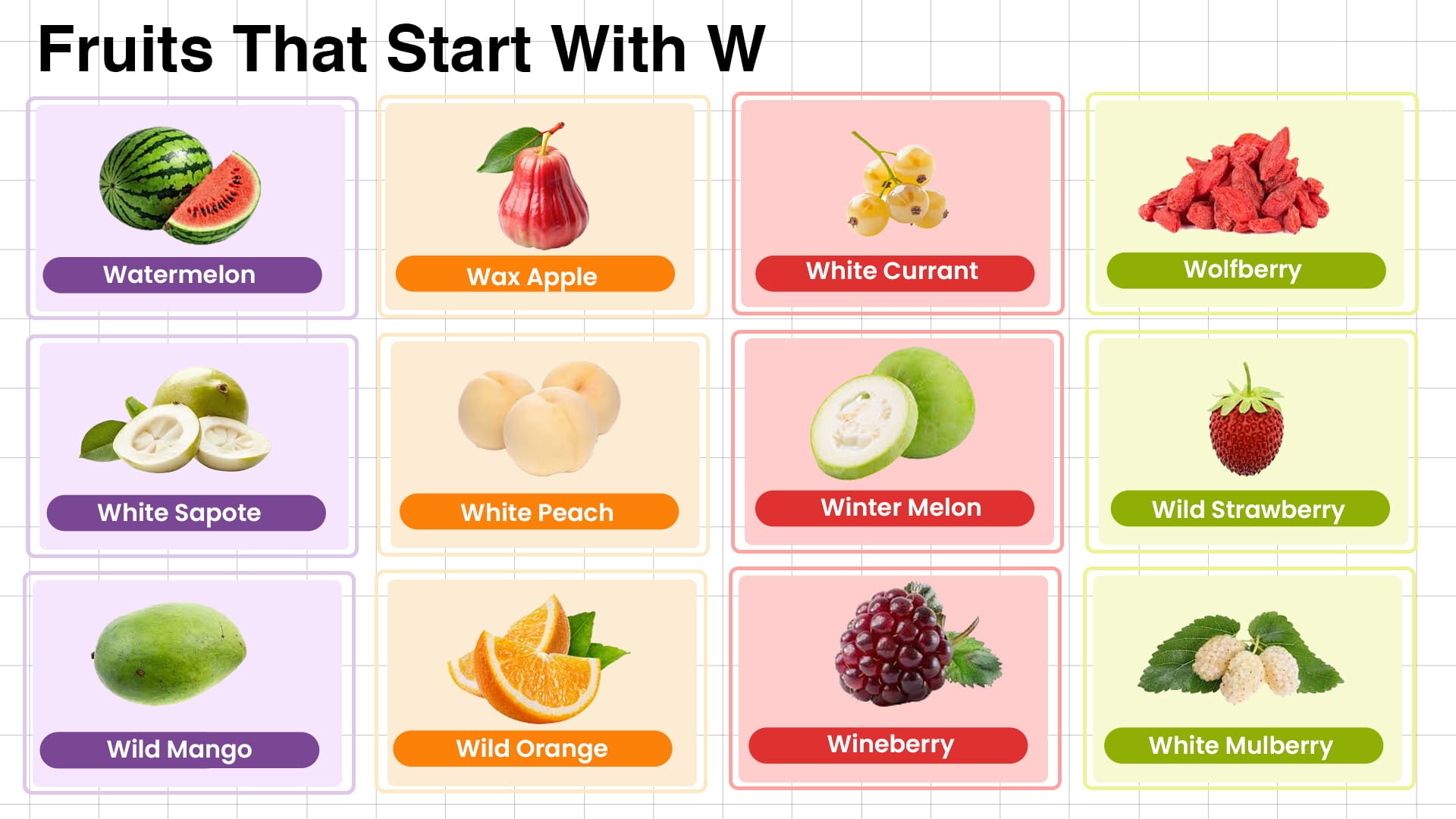
Discover Wonderful W Fruits: A Delicious Guide
The world of fruit is vast and vibrant, often surprising us with hidden gems beyond the usual apples and bananas. Among these delightful discoveries are the diverse and delicious
fruits that start with W. From the universally loved to the wonderfully exotic, these "W" fruits offer a spectrum of flavors, textures, and incredible health benefits, making them a fantastic addition to any diet. Join us on a journey to explore these wonderful offerings and learn how to incorporate them into your daily life.
The Wide World of W Fruits: A General Overview
When you first think of
fruits that start with W, watermelon is likely the first and perhaps only one that comes to mind for many. And while watermelon is undoubtedly a star, it's just the tip of the iceberg! This unique category encompasses a surprising variety, ranging from hydrating melons and crisp water chestnuts to sweet, exotic berries and unique tropical finds. Each "W" fruit boasts its own distinct profile, contributing not only to culinary delight but also offering a wealth of vitamins, minerals, and antioxidants. Exploring these fruits can open up new possibilities for healthy eating and introduce your palate to exciting new sensations.
Popular W Fruits You Already Love (and Their Benefits)
Let's dive into some of the more familiar
fruits that start with W, highlighting why they've earned their place in kitchens and hearts worldwide.
Watermelon: The Quintessential Summer Refresher
No discussion about W fruits is complete without paying homage to the magnificent watermelon. This large, sweet, and incredibly refreshing fruit is synonymous with summer picnics and beach days. Comprising over 90% water, it's an excellent choice for staying hydrated, especially in warm weather. Beyond its thirst-quenching capabilities, watermelon is a powerhouse of nutrients. It's rich in lycopene, a potent antioxidant known for its potential role in heart health and cancer prevention, particularly prostate cancer. It also provides significant amounts of Vitamin C, Vitamin A, and potassium. Whether enjoyed in wedges, cubed in salads, or blended into a cooling drink, watermelon is a delicious and healthy choice. For more in-depth information on its nutritional profile, check out our related article:
Watermelon & More: Health Benefits of W Fruits.
Water Chestnut: The Crunchy Culinary Gem
While often used as a vegetable in stir-fries and other savory dishes, the water chestnut is botanically a fruit, specifically an aquatic vegetable tuber. Native to Asia, it's prized for its crisp texture and mild, slightly sweet flavor. Water chestnuts are a fantastic source of fiber, potassium, and beneficial antioxidants. They add a delightful crunch to almost any dish, from salads to spring rolls. You can find them fresh in Asian markets or canned in most grocery stores. To enjoy fresh water chestnuts, simply peel the brown skin to reveal the white, crisp flesh, then slice or dice them as needed.
Wax Apple (Jambu Air): A Tropical Delight
Also known as Jambu Air, the wax apple is a beautiful bell-shaped tropical fruit, often pink or reddish-white, that truly embodies refreshment. Common in Southeast Asia, it has a crisp, watery texture and a mildly sweet flavor with a hint of rose. Wax apples are incredibly hydrating and a good source of Vitamin C and dietary fiber. They are typically eaten fresh, right off the tree, or incorporated into fruit salads. Their delicate flavor also makes them a pleasant addition to light desserts or as a garnish.
Beyond the Familiar: Unique W Fruits to Explore
Ready to expand your fruity horizons? While watermelon leads the pack, there are many other fascinating
fruits that start with W waiting to be discovered. This section will introduce you to some less common but equally wonderful varieties. To delve deeper into these and other rare finds, you might enjoy reading
Beyond Watermelon: Unique W Fruits to Explore.
White Sapote: The Creamy Custard Fruit
Hailing from Central America, the white sapote is a creamy, sweet fruit often compared to a custard apple or persimmon. Its flesh is soft, white, and custardy, with a distinct, rich flavor that some describe as a blend of banana, pear, and peach with a hint of caramel. White sapotes are a good source of Vitamin C and beneficial for digestion due to their fiber content. They are best eaten fresh, either scooped out with a spoon or blended into smoothies and desserts. When ripe, the skin will be soft to the touch and may show some brown spots.
Winter Melon (Wax Gourd): The Versatile Asian Staple
Though often treated and cooked as a vegetable, the winter melon, also known as wax gourd or ash gourd, is botanically a fruit. This large, heavy fruit with a waxy green skin is a staple in many Asian cuisines. It has a very mild, almost neutral flavor, which makes it incredibly versatile. Winter melon is renowned for its cooling properties and is frequently used in refreshing soups, stews, and even candied desserts. It's low in calories but rich in dietary fiber and Vitamin C. When selecting, look for a firm, unblemished melon. Its neutral taste allows it to absorb the flavors of other ingredients beautifully, making it a great base for various culinary creations.
White Mulberry: The Sweet and Ancient Berry
White mulberries are small, sweet, and somewhat chewy berries native to China, though now found worldwide. Unlike their darker counterparts, white mulberries have a milder, honey-like sweetness. They are packed with antioxidants, Vitamin C, iron, and fiber. Traditionally used in herbal medicine, these berries are not only delicious but also offer numerous health benefits. You can enjoy them fresh, dried (where they resemble white raisins), in cereals, yogurts, baked goods, or made into jams and jellies.
Culinary Creativity: Incorporating W Fruits into Your Diet
Exploring
fruits that start with W isn't just about knowledge; it's about flavor and nutrition. Here are some practical tips to help you bring these wonderful fruits into your daily meals:
* **Smoothie Boosts:** Watermelon, white sapote, and wax apple all make excellent additions to refreshing smoothies. Their natural sweetness and high water content are perfect for a hydrating blend.
* **Refreshing Salads:** Dice watermelon, wax apple, or even finely chopped water chestnuts into your next green salad for a burst of flavor and texture. Watermelon pairs wonderfully with feta and mint!
* **Savory Dishes:** Water chestnuts are a classic in stir-fries and spring rolls, adding a satisfying crunch. Winter melon, with its mild flavor, is ideal for hearty soups and stews, absorbing the spices and broths beautifully.
* **Desserts and Snacks:** White mulberries are fantastic as a healthy snack, in oatmeal, or baked into muffins. White sapote can be the base for unique custards or ice creams.
* **Hydrating Drinks:** Beyond plain water, blend watermelon or wax apple with a splash of lime for a naturally sweet and revitalizing drink. Winter melon can also be juiced for a cooling beverage.
* **Preserves and Jams:** The natural sweetness and pectin content of fruits like white mulberries make them perfect for homemade jams and jellies.
By experimenting with these wonderful W fruits, you'll discover new dimensions of taste and nutrition that can elevate your cooking and enhance your well-being.
Conclusion
From the iconic watermelon to the intriguing white sapote and versatile winter melon, the world of
fruits that start with W is rich with variety and goodness. Each of these fruits offers a unique contribution to your plate, whether it's through hydration, a burst of vitamins, or a delightful texture. Incorporating these W fruits into your diet is a simple yet effective way to boost your nutrient intake, explore new culinary horizons, and savor the natural sweetness and refreshment that nature provides. So, next time you're at the market, dare to venture beyond the familiar and discover the wonderful world of W fruits! Your taste buds and your body will thank you.